In today’s fast-paced world, where attention spans are shrinking and digital ads compete for every click, businesses are rediscovering the power of physical presence. One of the most effective ways to capture real attention in everyday life is through train station advertising. Whether it’s a digital screen at a metro stop or a large billboard on a busy platform, station advertising delivers unmatched visibility and brand recall. With thousands of people passing through each day, train stations have become powerful hubs for connecting with diverse audiences.
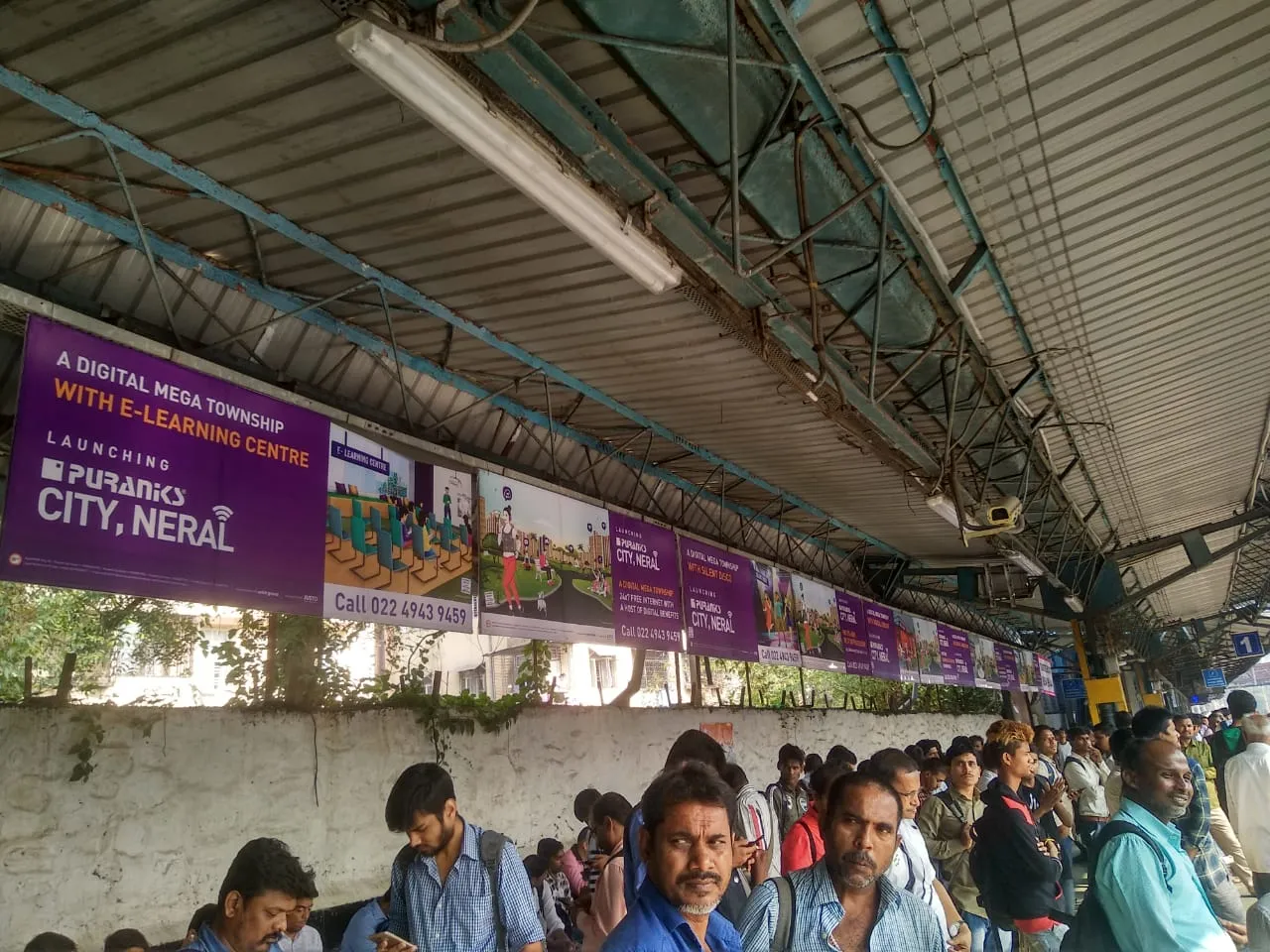
Why Brands Choose Train Stations
Every commuter journey offers an opportunity for engagement. Unlike digital ads that can be skipped or muted, station ads are unavoidable. They naturally blend into a traveler’s routine, becoming part of their surroundings without being intrusive.
Here’s why brands prefer station campaigns:
- High daily footfall: Train and metro stations see thousands of passengers every hour, ensuring mass visibility.
- Varied audience mix: From students and professionals to families and tourists, ads reach all demographics.
- Extended exposure time: Commuters often spend several minutes waiting, giving enough time for an ad to make an impression.
- High trust factor: Outdoor ads in public spaces often feel more credible than online promotions.
This combination of exposure, repetition, and relevance makes train stations one of the most efficient advertising locations.
From Static Posters to Digital Innovation
Traditional posters and hoardings are still common, but the industry has evolved. Many stations today use LED walls, interactive kiosks, and dynamic video screens. These formats allow brands to display motion graphics, short films, or time-sensitive offers that change throughout the day.
For example:
- Morning ads might promote coffee shops or fitness centers.
- Afternoon screens could display travel deals or lunch combos.
- Evening visuals might feature entertainment or luxury brands.
This flexibility keeps campaigns fresh and contextually relevant, ensuring that messages resonate with audiences at the right time.
The Psychology Behind Station Ads
What makes these ads effective is not just their size or placement, but the psychology behind them. Commuters are often in a passive state, waiting for trains or walking through familiar routes. During this downtime, their minds are more open to visual cues.
A bright, well-designed ad can easily catch the eye and stick in memory. This subconscious recall later influences purchase decisions, especially when people see the brand online or in stores. In marketing terms, it builds top-of-mind awareness, the ultimate goal of brand visibility.
Cost-Effective Reach for Every Business
Contrary to popular belief, station advertising isn’t just for big brands. Smaller businesses and startups can also benefit by targeting specific routes or stations near their service areas. It’s possible to run local campaigns that fit limited budgets while still generating strong impact.
Here’s what makes it cost-effective:
- Ads stay visible 24/7 without additional media costs.
- Campaigns can run for weeks or months, giving sustained exposure.
- Designs can be reused across different formats like posters, wall panels, and train wraps.
This long-term visibility often delivers a better return on investment compared to short-lived online ads.
Tips for an Effective Station Campaign
To stand out among multiple visuals, brands should focus on simplicity and clarity.
- Use large fonts for easy readability from a distance.
- Keep the message short, seven words or less works best.
- Use strong visuals that align with the brand tone.
- Include a call-to-action, such as a QR code or website link.
- Ensure color contrast so the ad remains clear in both daylight and artificial lighting.
When design, message, and placement align, even a simple poster can create a strong brand moment.
The Future of Offline Visibility
As cities expand and public transport networks grow, station advertising will only become more valuable. It bridges the gap between digital and physical marketing where people can see, relate to, and remember a brand while on the move. In a marketplace flooded with online noise, train station advertising offers authenticity, consistency, and real human connection. It’s more than just an ad placement; it’s a way to meet your audience where they truly are on their daily journeys, in the heart of the city.