India’s railway network is one of the busiest in the world, making train station advertising a strong channel for brands looking to reach large and diverse audiences. With millions of daily commuters, stations offer repeated exposure and high visibility. Over the past few years, this medium has evolved beyond static hoardings into more engaging, data-driven formats.
Let’s look at the latest trends shaping train station advertising in India.
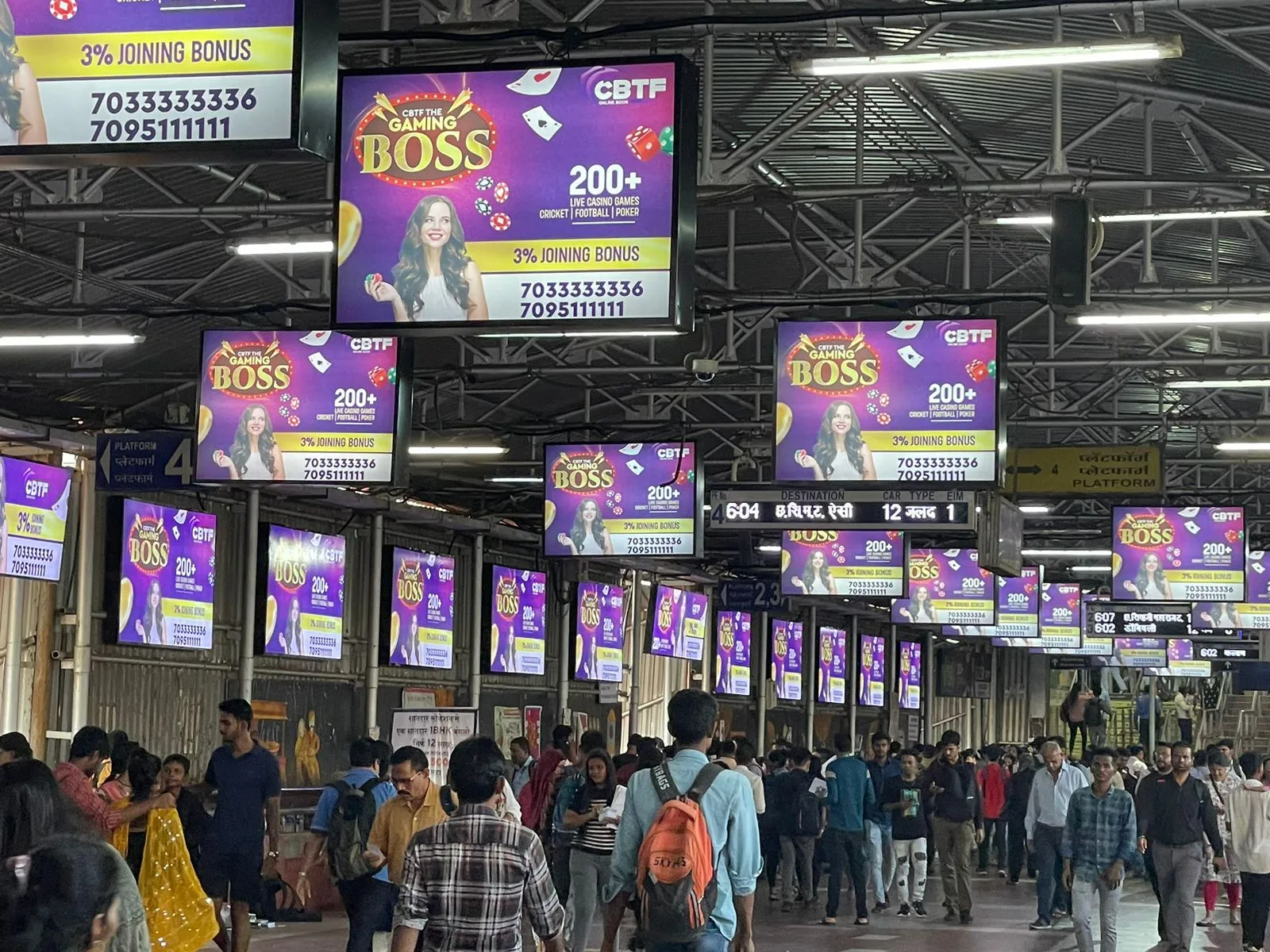
Digital Integration is Growing
Traditional billboards are gradually being replaced or supplemented by digital screens. These screens allow brands to:
- Run multiple creatives in rotation
- Update messaging in real time
- Align campaigns with time-based audiences
For example, a food brand can show breakfast ads in the morning and snack ads in the evening. This flexibility improves ad relevance and brand recall.
High-Impact Station Domination
Brands are increasingly opting for full station takeovers instead of isolated placements.
This includes:
- Entry and exit gates
- Staircases and foot overbridges
- Platform pillars and panels
The idea is simple: when a commuter sees the same brand across multiple touchpoints, it creates stronger brand recall. This approach works well for product launches and big campaigns.
Hyperlocal Targeting
Advertisers are now selecting stations based on audience profiles rather than just footfall.
Examples:
- Corporate-heavy stations for financial services
- College areas for youth-focused brands
- Residential zones for FMCG products
Many marketers now realize that train station advertising is not just about reach, but about reaching the right audience in the right location.
Use of QR Codes and Interaction
Another growing trend is the use of interactive elements in outdoor creatives.
Common interactive features include:
- QR codes for instant offers or downloads
- NFC tags for quick engagement
- Short URLs for easy recall
This helps bridge the gap between offline visibility and online engagement. A commuter can see an ad and take action immediately using their phone.
Regional Language Communication
India is a highly diverse market. Brands are now adapting creatives based on local languages at different stations.
This improves:
- Understanding of the message
- Emotional connection with the audience
- Overall engagement
For instance, ads in Mumbai may use Marathi alongside English, while in Chennai, Tamil is often included.
Data-Driven Planning
Technology is playing a bigger role in train station advertising campaigns. Brands are using:
- Footfall analytics
- Heat maps of commuter movement
- Time-based audience data
This allows better planning and budget allocation. Instead of guessing, marketers can now choose locations based on actual data.
Minimal and Clear Creatives
Attention spans are short, especially in crowded railway stations. Successful campaigns follow a simple rule:
- One message
- One visual
- Clear branding
Overloaded creatives often fail because commuters do not have time to process too much information.
Train station advertising campaigns in India are becoming more strategic and audience-focused. With digital formats, better targeting, and interactive elements, brands can create stronger connections with daily commuters.
When used correctly, train station advertising offers both scale and consistency, making it a valuable part of modern marketing strategies in India.