Railway advertising has evolved into one of the most effective mass communication channels in India, especially for brands working with a railway advertising agency.
With millions of daily commuters, brands are now partnering with a railway advertising agency to build consistent visibility across cities and regions. In 2026, the focus has shifted from just presence to strategic storytelling and audience targeting.
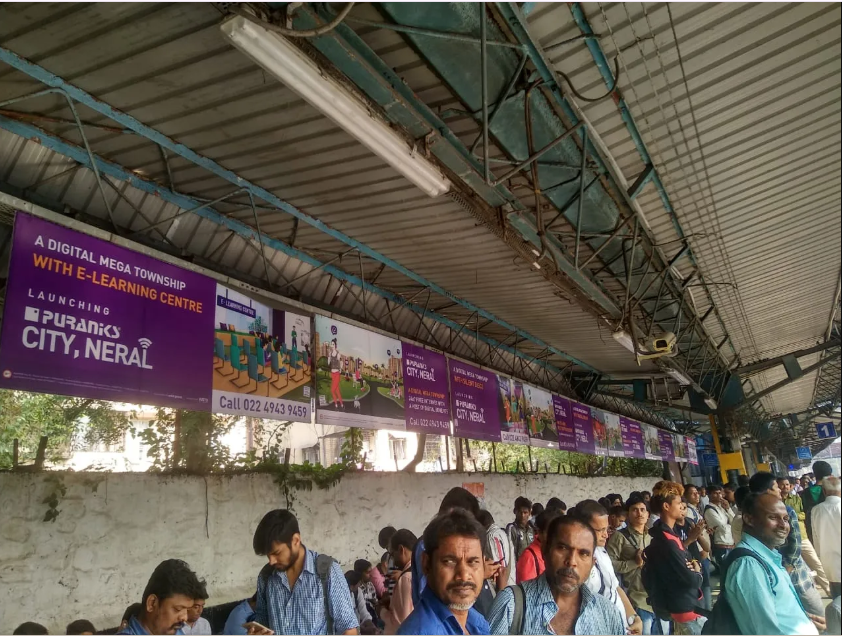
Let’s look at the key strategies shaping railway advertising agency campaigns in India for 2026.
1. Full-Train Branding for High Recall
Brands are no longer limiting themselves to small placements. Full-train wraps are becoming increasingly common.
- Entire trains are branded with a single campaign
- Visual consistency improves recall
- Works well for product launches and brand awareness
This format ensures repeated exposure as trains move across multiple locations, strengthening brand visibility.
2. Station Domination Strategy
Instead of scattered ads, brands are strategically taking over entire stations.
- Entry gates, platforms, staircases, and footbridges
- Uniform messaging across all touchpoints
- Creates a strong and immersive brand environment
This approach helps brands stay top-of-mind during the commuter journey.
3. Data-Driven Location Planning
Earlier, placements were based on availability, but now decisions are data-backed.
- Audience demographics at specific stations
- Peak travel times and routes
- Region-specific targeting
Mid-campaign adjustments are also made using real-time insights. A well-planned campaign through a railway advertising agency focuses on where the audience actually spends time, rather than just where space is available.
4. Integration with Digital Campaigns
Railway advertising campaigns are now part of a larger integrated marketing mix.
- QR codes linking to landing pages
- Hashtag campaigns for social media
- Influencer content tied to outdoor visuals
This helps brands connect offline visibility with online engagement.
5. Regional Language Messaging
India’s diversity requires localized communication.
- Ads in Marathi, Hindi, Tamil, and other languages
- Region-specific creatives for better connection
- Simple and relatable messaging
Brands are seeing better engagement when communication is localized and culturally relevant.
6. Focus on High-Frequency Routes
Instead of covering too many locations, brands are focusing on routes with maximum repetition.
- Daily commuter routes
- Metro city railway lines
- Business and office-heavy zones
Higher frequency improves brand recall more effectively than one-time exposure.
7. Minimal and Bold Creatives
Attention spans are short in transit environments, so creatives are becoming simpler and more impactful.
- One strong message
- Large fonts and bold colors
- Clear brand identity
Cluttered ads are being replaced by clean and easy-to-read designs.
8. Sustainability in Advertising Materials
Brands are also becoming more conscious of the materials used in advertising.
- Eco-friendly printing
- Reusable structures
- Reduced waste in campaigns
This aligns with corporate sustainability goals and public perception.
9. Hyperlocal Campaign Targeting
Railway advertising is increasingly being used for hyperlocal promotions.
- Retail store openings
- Regional events and offers
- Location-specific services
This makes campaigns more relevant to commuters in that specific area.
10. Performance-Based Planning
Brands are now focusing more on measurable outcomes.
- Tracking increases in store visits
- Monitoring brand searches
- Evaluating campaign impact through surveys
This shift is helping brands justify outdoor ad spends more effectively.
Railway advertising in India is becoming more structured, strategic, and performance-driven. It is no longer just about visibility but about delivering the right message at the right place. Brands that adapt to these strategies are seeing better results in terms of recall and engagement.
Working with a reliable railway advertising agency ensures campaigns are executed with clear objectives, strategic placements, and high-impact creatives.